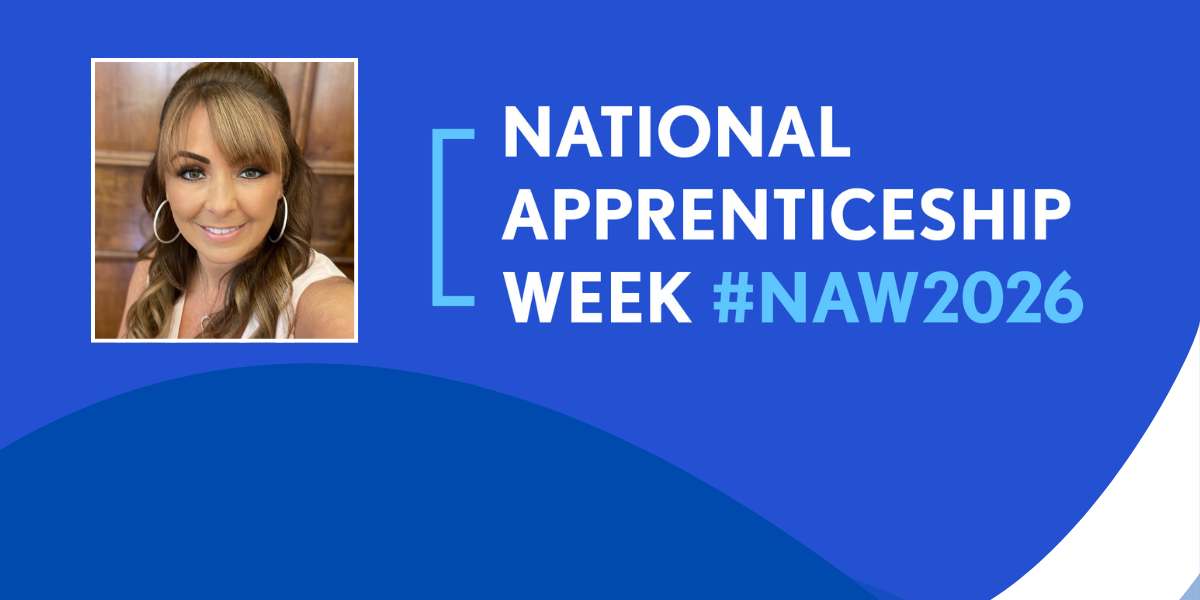
With National Apprenticeship Week 2026 approaching, what better time to consider what’s new and changing in the apprenticeship space for 2026?
Angela Renshaw, Premier Training’s Director of Apprenticeships, takes a look at perception, uptake and accessibility…
One of the biggest shifts is around perception. There’s still a common belief that apprenticeships are only for 16–18-year-olds starting out, but that simply isn’t true.
Apprenticeships are accessible to people at any stage of their career, regardless of age or previous experience. If you’re learning new skills in your role, or need to achieve a certain level of competence to progress, an apprenticeship can be the perfect route.
We’re also seeing growing recognition of apprenticeships as a strategic development tool, not just an entry-level pathway.
Employers are increasingly using them to upskill existing staff, support progression, and retain talent, which is only going to increase as skills shortages continue across multiple sectors and regions across the country.
Another key change is around flexibility and accessibility. Apprenticeships are designed to be realistic and sustainable. Earning while learning remains a huge draw, but delivery models have evolved to better reflect the demands of full-time work and busy lives.
At Premier Training, our programmes are built with this in mind, ensuring learning fits around the apprentice, not the other way around.
There’s also still some misunderstanding around off-the-job training. Many people assume this means apprentices must be away from their desk for six hours every week in one block, but that’s not the case.
Off-the-job training can be delivered flexibly and broken down into manageable chunks. This approach makes learning feel achievable rather than overwhelming, while still meeting funding and quality requirements.
Looking ahead to 2026, I believe apprenticeships will continue to become more inclusive, flexible and widely recognised as a credible alternative (and in many cases, a preferred alternative) to traditional education routes.
When delivered well, apprenticeships benefit learners, employers and the wider economy, and that’s exactly where the future is heading.
For more information on Premier Training’s apprenticeship provision – click here.