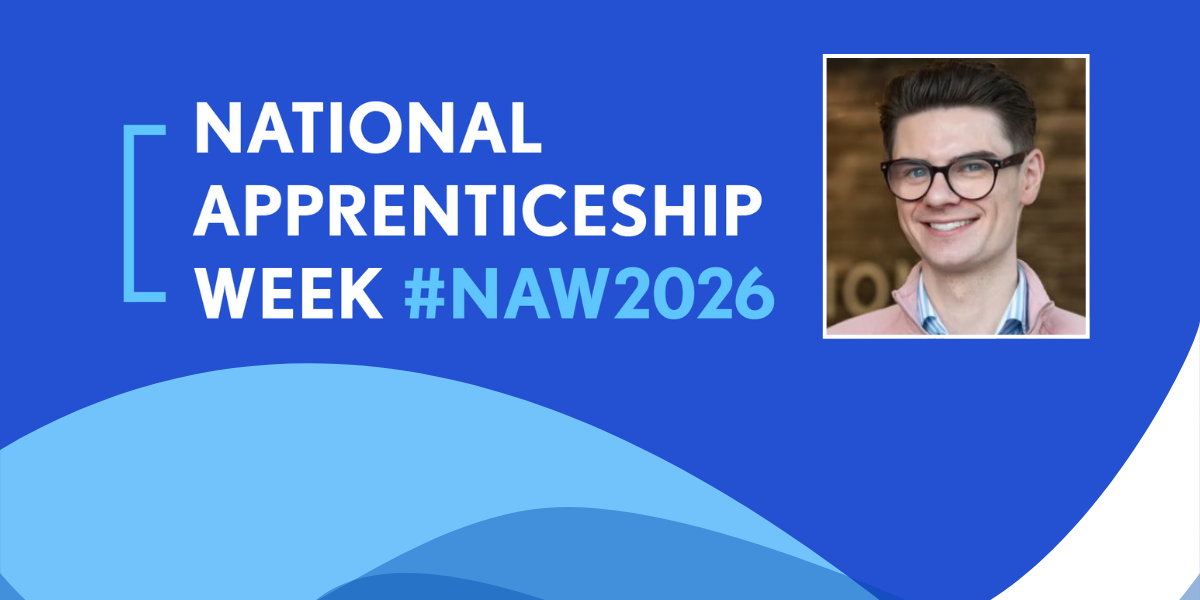
George Moss, Practice Manager at Bee Motion Accounting Ltd, explains how the company’s approach has been built around apprentices…
What is Bee Motion?
Bee Motion is an award winning, tech based accountancy practice in the heart of Stockport. The business was built on a clear mission to open up entry into the accounting profession through apprenticeships and to modernise an industry that was traditionally paper driven.
Every member of the Bee Motion team, from the company director to the newest recruit, began their career as an apprentice. This shared journey reflects Bee Motion’s commitment to developing talent from the very start of their working lives and encouraging new ideas in an ever-changing profession.
How did you first learn about apprenticeships?
Apprenticeships were part of the business model from the very beginning. Bee Motion was incorporated with the belief that the best way to build a future ready accountancy practice was to create clear entry routes into the profession. Apprenticeships provided a way to bring people into the industry early, support their development and grow together as the business evolved.
What was your motivation for taking on your first apprentice?
The motivation was centred on creating opportunities for people to enter the profession, encouraging innovation and supporting the local community. Accountancy has traditionally been difficult to access without academic or financial advantages, and Bee Motion wanted to change that. Apprenticeships made it possible to bring in new talent, nurture it and build long term careers within the business rather than relying on traditional recruitment routes.
Why did you choose an apprentice over a new hire to address your primary business need?
The business was built around apprentices rather than viewing them as an alternative to experienced hires. The primary need was never short term output but long term sustainability and innovation. Bringing people into the profession at the start of their careers allows them to be trained in modern, paperless ways of working from day one rather than needing to unlearn outdated practices. This supports the long term direction of the firm and the wider profession.
How did you find the process of choosing a training provider and setting up the off the job training?
Choosing the right training provider was essential because learning is treated as a core part of the role, not as time away from work. Providers were selected based on their understanding of modern accountancy and their ability to support apprentices both academically and professionally. Off the job training has always been built into the structure of the working week so that learning and practical experience run alongside each other.
How did you structure the apprentice’s workload to ensure they could balance work and study?
Workloads are designed around development rather than productivity alone. Apprentices are given meaningful responsibilities that reflect their stage of learning and are supported with protected time for study. Tasks are chosen to reinforce what they are learning through their qualification so that theory and practice connect naturally.
What role did internal mentors or managers play in ensuring the apprentice’s success?
Mentorship is central to how Bee Motion operates. Apprentices are supported by managers and colleagues who have been through the same pathway themselves. This creates a culture where knowledge is shared openly and support is built into everyday working life. It also allows learning to flow both ways, with newer team members bringing fresh perspectives while gaining experience from established staff.
For more information on Premier Training’s apprenticeship provision – click here.